Nourishment Rooted in Nature
Discover how unrefined, vibrant whole foods provide clean cellular fuel, cultivate a flourishing gut microbiome, and maintain sustained daily vitality.
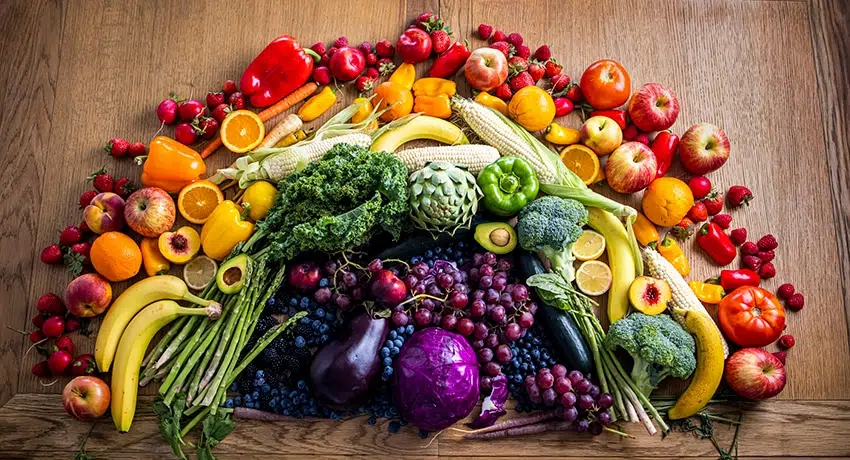
The Art of the Balanced Plate
Balanced nutrition does not demand restrictive regimens or complicated formulas. It begins by prioritizing whole, unprocessed ingredients that honor your body's natural metabolic pathways.
Aim to fill half of your plate with crisp, colorful vegetables and dark leafy greens, one quarter with high-quality protein, and one quarter with complex carbohydrates and slow-burning dietary fiber accompanied by healthy unrefined fats.
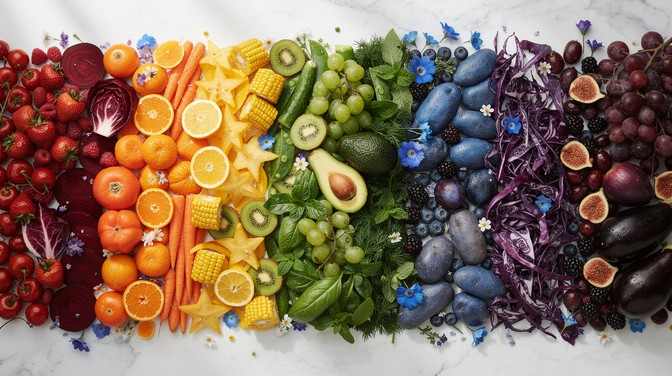
Eat the Rainbow: Fruits & Plant Diversity
Plants synthesize distinct pigments and compounds—known as polyphenols, flavonoids, and carotenoids—to protect themselves against environmental stress. When consumed, these compounds act as potent biological allies.
Diversifying your intake with deep reds, vibrant oranges, rich yellows, dark leafy greens, and deep purples delivers a broad spectrum of cellular protection and supports enzymatic detox mechanisms.
Key Nutritional Foundations
Core elements of daily nourishment that deliver essential building blocks for cellular energy and metabolic stability.
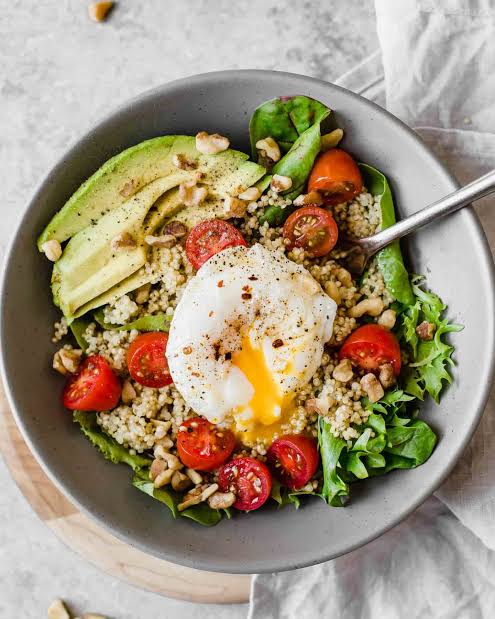
Nutrient-Dense Meals
Combining fresh leafy greens, sprouted seeds, and clean proteins to sustain satiety and steady blood glucose.

Optimal Hydration
Maintaining cellular fluid volume through pure water, electrolyte balance, and hydrating botanicals throughout the day.

Essential Lipids
Omega-3 fatty acids, extra-virgin olive oil, and avocado fats that reinforce cell membranes and dampen systemic strain.

Microbiome Support
Prebiotic plant fibers and naturally fermented foods that feed gut flora and support neurotransmitter synthesis.
The Everyday Nutrition Checklist
Simple, actionable nutritional habits to incorporate into your breakfast, lunch, and dinner routines.
Consume a minimum of five different vegetable colors daily
Varied pigments provide diverse antioxidants, bioflavonoids, and protective plant compounds.
Drink a large glass of pure water before each meal
Ensures healthy mucosal lining in the stomach and prevents mistaking dehydration for hunger signals.
Choose whole, unrefined grains over processed flours
Opt for quinoa, wild rice, rolled oats, and ancient grains to keep insulin levels stable throughout the day.
Include an intact source of healthy fats with every main meal
Add raw pumpkin seeds, walnuts, cold-pressed olive oil, or avocado to enhance fat-soluble vitamin absorption.
Chew meals thoroughly and practice mindful eating
Eating without screen distractions stimulates salivary enzymes and signals natural satiety cues to the brain.